In an interview with the Korean Architects Newspaper, Ron Hyunseung Jeong, Project Architect at Leonard Design, shares insights from his professional experience in the UK. The article explores differences between architectural practice in the UK and Korea, focusing on collaborative working culture, contract-based project structures, and safety-led design processes informed by real project experience.
Q1. In which countries did you practice and how did you participate in the project at the time?
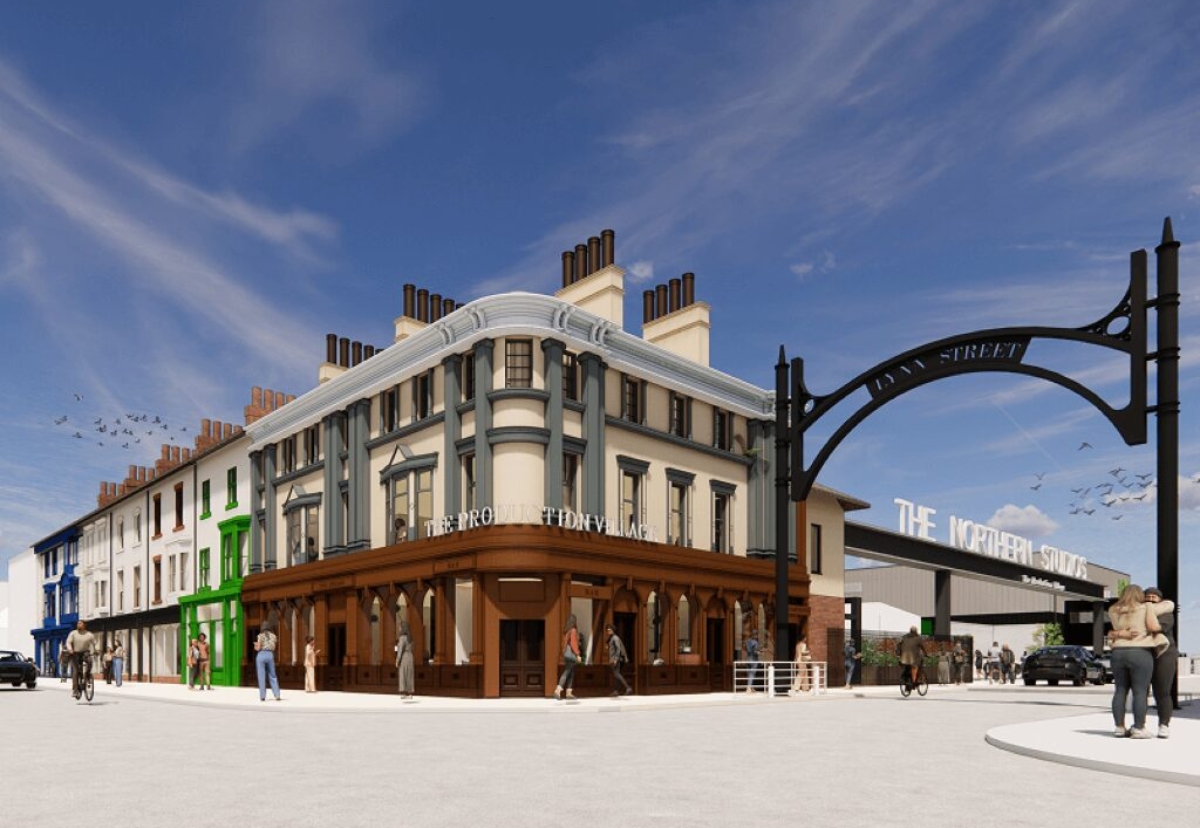
I have worked in Korea and China, and in the UK, I am currently pursuing a Masters in Sustainable Architecture at Leonard Design, where I have been practicing architectural design for about nine years. My first project in the UK was a masterplan for the run-down central business district in Sheffield City Centre. The original masterplan was cancelled by Sheffield City Council in 2013 and would have involved demolishing most of the buildings and replacing them with large new commercial facilities.
Our firm re-designed the masterplan in 2015, maintaining the existing street pattern in a way that could be assigned to different developers. This was a way to reduce Sheffield City Council ‘s financial risk while increasing the project’s viability. We conducted an initial feasibility study for 11 development blocks within the masterplan.
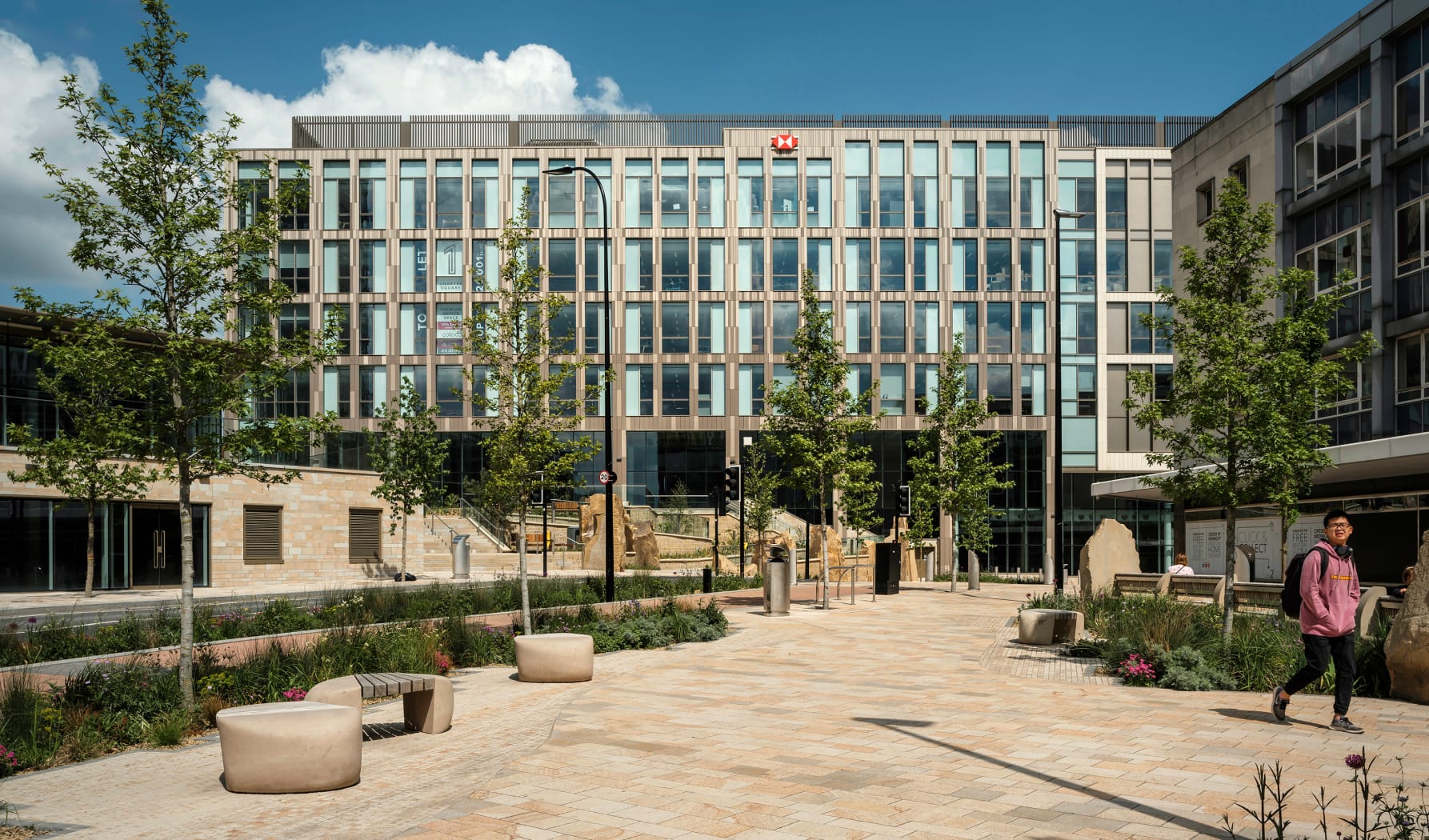
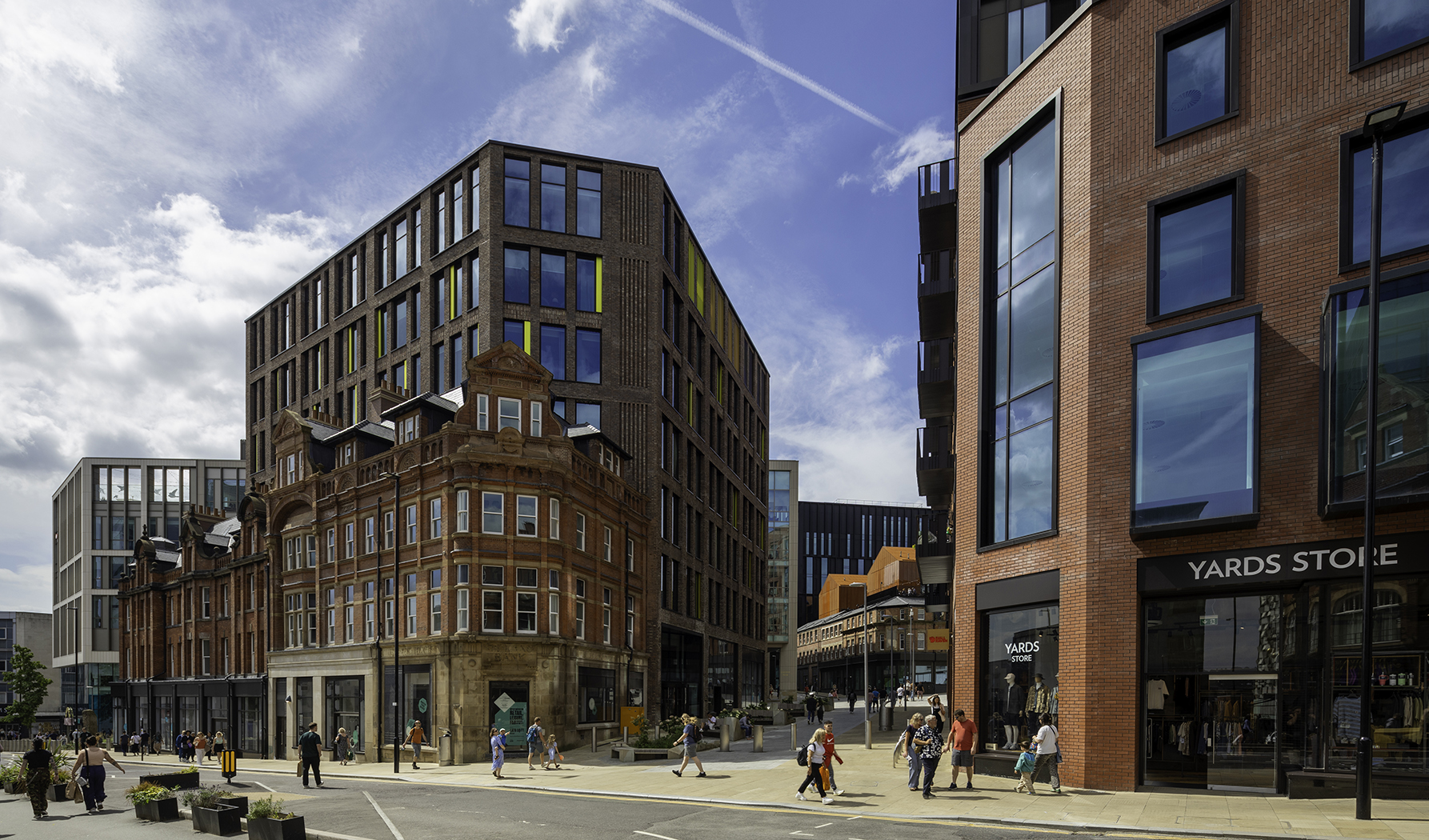
Through excellent partnerships with developers and the city council, our company designed four building blocks, all of which were completed in 2024. We were able to witness an interesting project cycle, where 2D (two-dimensional) square blocks, starting with sketches in the masterplan were designed into 3D (three- dimensional) buildings.
Q2. While working on projects overseas, what design environments or working methods did you find most different from those in Korea?
I think the basic working methods, such as the design process and client relationships, are similar in Korea and the UK. However, the surrounding architecture industry environment seems to show significant differences. For example, in projects in the UK or Europe, there is a horizontal hierarchy of communication that recognizes the expertise of architects and respects their creativity.
In contrast, projects in Asia and the Middle East often proceed with a vertical hierarchy. In addition, most UK architectural firms operate within a horizontal working environment, with projects progressing through discussion and critique, regardless of title or seniority . Human resources management is also flexible, adapting to project schedules. Rather than relying on fixed team structures, all employees are encouraged to use their 28 days of statutory vacation each year.
Q3. Based on your overseas experience, is there anything in our country’s systems or policies that you feel is inconvenient or that you would like to see changed?
In the UK, there is the Construction Design and Management Regulations (CDM) 2015, which is considered as important as the permit. It is administered by the Health and Safety Executive (HSE), and all construction projects must submit a plan for managing the health and safety of workers throughout the project. CDM applies to all construction projects, regardless of size, and is linked to legal responsibilities. In fact, before the project begins, the CDM requires that architects or CDM consultants, even at the design stage, lead the project and notify HSA of risk identification and elimination plans, maintenance plans, and fire strategies.
In addition, the Building Safety Act 2022 was introduced after the Grenfell Tower disaster in 2017, clarifying the roles and responsibilities of project stakeholders regarding the structure and fire safety of high-risk buildings. The Grenfell Tower disaster was an accident in which a fire broke out in a large apartment building with 120 households on the 24th floor, resulting in over 100 casualties.
According to an article in Maeil Business Newspaper in October 2025, the industrial accident fatality rates in the UK and Korea last year were approximately 13 times different . Korea continues to show a high fatality rate even after the implementation of the Serious Accident Punishment Act. I hope that a systematic safety management system or institution will be established so that architects and related professionals can assume related roles and responsibilities from the design stage.
Q4. The role and social status of architects seem to vary slightly from country to country.
For UK or European client-based projects, planning consultants, cost consultants, engineers, and architects collaborate from the early stages. Within the project team, each member respects the roles of professionals, and the client does not impose vertical work instructions or demand excessive workloads. The client specifies the initial hiring and payment of this project team in the contract. In the UK, clients typically sign individual contracts with each professional group.
On the other hand, in Korea, the traditional contracting method, in which the architect, not the client, acts as the PM (Project Manager) and contracts with subcontractors, still seems to be valid. (In the UK, this method is called a “Traditional Contract”). In the UK, the importance of contracts is intensively taught in Part 3 of the architect qualification course, and even in practical work, a project is never undertaken without a contract . Architects also charge fees even for small-scale initial feasibility studies, and if the work is not within the scope of the contract, they charge a service fee based on the actual number of personnel involved.
Unlike the Korean architect exam, which focuses on assessing architectural plans and practical skills, the UK architect exam aims to assess overall architectural project execution capabilities beyond design, such as contract administration, risk control, fee calculation, planning building control, and procurement and tendering during the project.
Q5. I am curious about how your experience abroad has changed your thoughts or direction as an architect. How has it influenced your current design work?
While continuing my practical experience as an architect in the UK, I have learned about various roles, ethics, and social responsibilities of an architect in addition to design capabilities. Above all, I have gained a greater understanding of the overall operation of an architectural firm, and I dream of becoming an independent architect in the future.
British architectural projects prioritize sustainability, both in policy and design. Naturally, I became interested in UK green building trends, such as net zero carbon buildings, passive houses, cross- laminated timber (CLT), and health and wellbeing design. This interest led me to pursue a master’s degree in green architecture, and based on this knowledge, I strive to incorporate sustainability into buildings from the early design stages. Rather than simply constructing buildings, I hope to create buildings that reduce carbon emissions to address climate change and improve the quality of life and health of those who use them.
Reporter Jo Ara
Read More: Korean Architects Journal
Related News